
Getting Past Survivor
Because “surviving” was never meant to be the whole story
If you’ve ever felt stuck replaying the same patterns — overthinking, people-pleasing, shutting down, or trying to prove your worth — you already know survival mode doesn’t end just because the danger did.
It lingers in the brain, shaping how you think, feel, and show up in life.
This space is about understanding how your brain learned to survive, how to rewire it, and how to live freely, fully, and intentionally.
You may have survived something big or small — but survival isn’t the end of your story.
Getting Past Survivor is about moving beyond those automatic patterns — fight, flight, freeze, or fawn — and into a life led by choice, not fear.
It’s the journey of letting go, retraining the mind, and becoming someone you can trust to treat yourself well.
If you sense there’s something beyond survival — even if you can’t name it yet — you’re right.
And you don’t have to do it alone.
💙 Helen
To read more about my story: The Reason for Getting Past Survivor
If you’d like to explore specific topics or themes — from self-trust to rewiring the brain
— visit the Getting Past Survivor Library.
It’s a listing of the blogs in my every growing collection, sorted into 6 healing pillars (w/ links):
💫 Self-Trust | 🌱 Self-Design | 🧠 Rewire Your Brain | 🤝 Relationships | 🎯 Tools & Sensory Awareness | 💬 Own Your Voice
Bullying and Mental Health
Bullying isn’t just a childhood problem — it’s a lifelong one. From the playground to retirement communities, its effects can quietly shape our confidence, relationships, and mental health. This piece explores how those patterns form, why the brain holds on, and what it takes to heal and reclaim your voice.

Everyone’s a Pawn
We all think we’re making conscious choices — but something else might be moving the pieces. This isn’t about manipulation; it’s about awareness.

What About…?
We’ve all done it—blurted out, “But what about…?” when emotions run high. It feels harmless, but it’s actually the brain’s quick way of dodging discomfort.

Advice or Empathy?
Advice shows up fast—sometimes from us, sometimes toward us. It’s how the brain tries to create safety in uncertainty. But empathy offers something deeper: connection. This piece explores why advice feels so natural, what our nervous system is really asking for, and how to tell when to fix—or simply feel.

On The Job Training
Your brain learns from every moment on the job — trust, tension, even fear. Leaving a toxic workplace isn’t the end of healing; it’s the start of retraining your brain. Discover how to unlearn survival wiring and rebuild confidence, clarity, and calm in your next chapter.

How Survivors Are Still Being Silenced
Silence doesn’t protect survivors—it protects abusers and the systems that dismiss our pain. From families to social media, survivors are told to stay quiet. But every time one of us speaks, the shame cracks and the cycle weakens. Your story matters. Your voice is enough.

The Silence Around Sibling Sexual Abuse
When people think of child sexual abuse, they often picture strangers or adults outside the family. What rarely gets talked about is the harm that happens at home — at the hands of siblings. This silence leaves many survivors confused, dismissed, or doubting their own experience. It’s time to change that.

Connections That Thrive
Want to strengthen your most important relationships? Discover how to nurture trust, build intimacy, and create bonds that truly thrive. Read more now!

Love Starts with Self-Trust
Discover how true love starts with self-trust. Explore the role of trust and attachment in building relationships that last—beginning with trusting yourself first.

Detaching from Attachment
Explore how attachment, as vital as food and oxygen, shapes our lives and emotions. From early unhealthy connections to the deep, mutual bond of true love, the journey of detaching from attachment can lead to profound healing and self-discovery. This reflection delves into the balance between honoring meaningful relationships and maintaining one's sense of self after loss.

A People Pleaser Reclaims Herself
For years, she carried the weight of others' expectations, always putting herself second. Raised in a home filled with guilt and shame, her need to please turned into perfectionism. But now, she’s letting go of those burdens and living for herself. Read her full story of transformation.

NLP Presuppositions
Discover how the NLP (neurolinguistic programming) presuppositions can deepen your understanding of yourself and others, enhance communication, and improve relationships.

The Downside of Speaking Goals
Discover the surprising downside of sharing your goals aloud in today's digital age. Uncover how the social reality effect can hinder your progress, leaving you feeling satisfied without taking meaningful steps forward. Learn practical strategies to navigate this phenomenon and stay focused on your aspirations. Read on for tips on selective sharing, action-oriented planning, and celebrating real milestones. Find the balance between external validation and internal drive. Dive into the full blog for insights and actionable advice.
Boost Your Self-Esteem: Transformative Tools for Positive Change
Explore the transformative journey of overcoming low self-esteem, guided by the concept of mindful debugging. Uncover the power of self-guided experiences through purposeful workbooks designed for personal growth. Discover tangible benefits and witness the transformative process that leads to a more empowered and resilient self and ultimately raise your self-esteem!

Understanding Trauma: A Comprehensive Guide for Survivors and Their Loved Ones
The belief that "what doesn't kill you makes you stronger" doesn't always hold true for trauma survivors. Trauma can lead to behaviors like excessive accommodation, tolerance of negativity, emotional clutter, quick forgiveness, and difficulty asserting oneself. Loved ones should encourage survivors to express needs, set boundaries, and be patient. Survivors may also face challenges in speaking up, excessive sensitivity, trust issues, and navigating relationships. The path to healing involves understanding these changes, fostering open communication, and providing support for a balanced and fulfilling life.

The Power of Words
Our words shape our brains. Expressions like "I feel depressed" reinforce negativity. Discussing problems offers temporary relief but often leads to frustration and limited change. Positive affirmations benefit those with high self-esteem but may worsen negative beliefs for those with low self-esteem due to confirmation bias. Understanding how our brains interpret language, including sensory experiences, is crucial for lasting change and personal growth.
My Dad
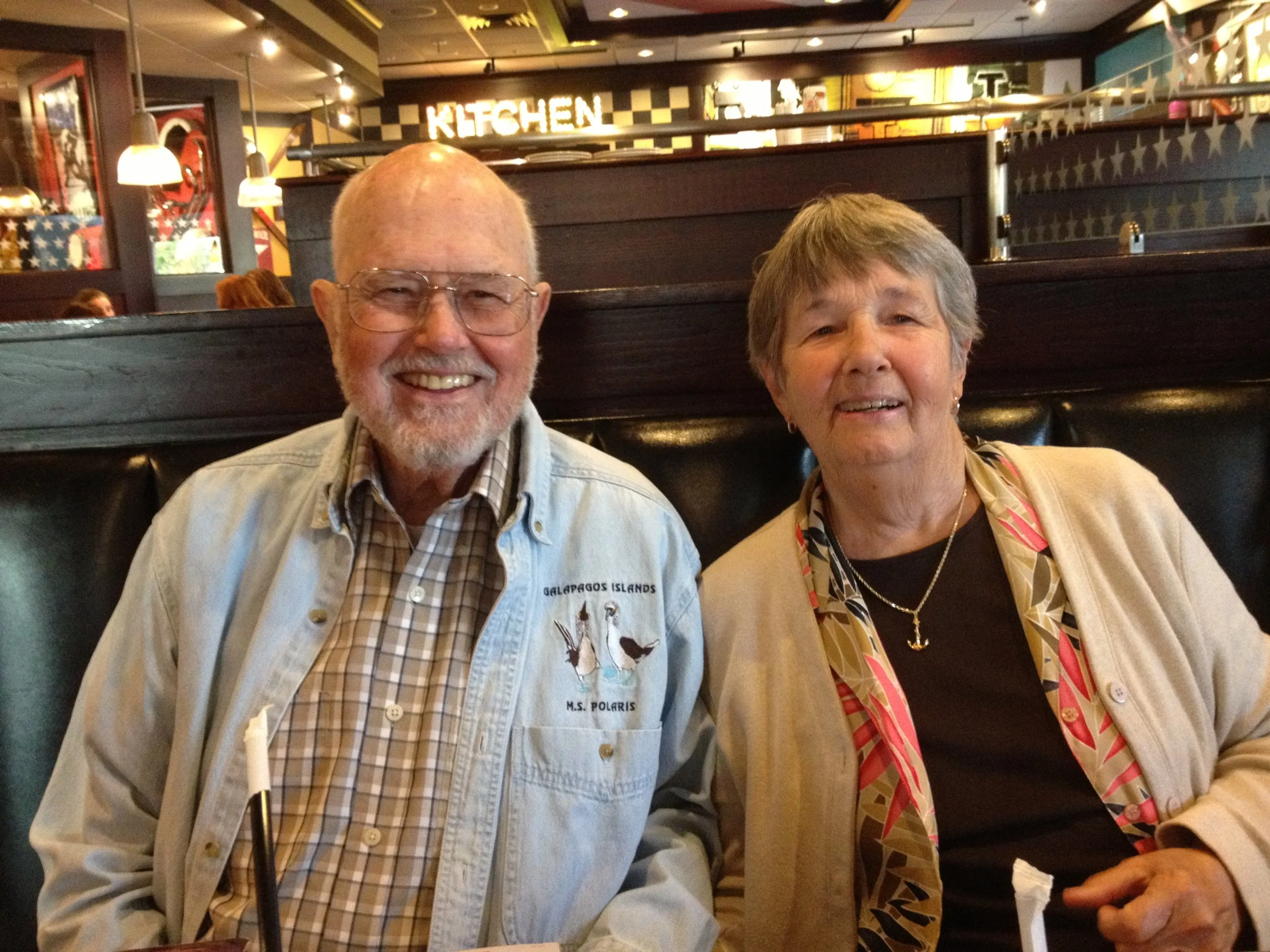
As the strong, silent type and a devoted executive and family man, my dad dedicated himself to self-improvement and our family's well-being. He actively worked on his marriage and was a constant in our lives despite a demanding career. After his passing, I uncovered his deep-seated struggles through a letter about my childhood abuse. This revealed his inner conflict and regret for not protecting me more, shedding light on the complex emotional challenges men face in balancing societal strength with vulnerability. His journey deeply resonates with me, highlighting the intricate dance between masculinity and emotional openness.

Why Listening to CSA Survivors Matters More Than Ever
Survivors of Childhood Sexual Abuse (CSA) often feel silenced, dismissed, or disbelieved — even by those closest to them. In this heartfelt episode, I share why it’s so important to truly listen. Because silence doesn’t protect anyone — but empathy and belief can change everything.

What Propels You?
This blog post explores two mindsets: "go-getter" (enthusiastic and goal-oriented - moving towards) and "avoider" (cautious and problem-focused - moving away from). Let’s talk about the importance of language patterns in shaping our reality and encourage a balanced communication style that considers both pursuing goals and addressing challenges.

The Cost of Silence: CSA, Shame & the Power of Communication
Survivors of CSA often learn to suppress their voice before they even know they have one. In this honest and deeply personal reflection, I explore how silence shaped my early life—and how opening communication with my own children became the greatest healing of all.