
Getting Past Survivor
Because “surviving” was never meant to be the whole story
If you’ve ever felt stuck replaying the same patterns — overthinking, people-pleasing, shutting down, or trying to prove your worth — you already know survival mode doesn’t end just because the danger did.
It lingers in the brain, shaping how you think, feel, and show up in life.
This space is about understanding how your brain learned to survive, how to rewire it, and how to live freely, fully, and intentionally.
You may have survived something big or small — but survival isn’t the end of your story.
Getting Past Survivor is about moving beyond those automatic patterns — fight, flight, freeze, or fawn — and into a life led by choice, not fear.
It’s the journey of letting go, retraining the mind, and becoming someone you can trust to treat yourself well.
If you sense there’s something beyond survival — even if you can’t name it yet — you’re right.
And you don’t have to do it alone.
💙 Helen
To read more about my story: The Reason for Getting Past Survivor
If you’d like to explore specific topics or themes — from self-trust to rewiring the brain
— visit the Getting Past Survivor Library.
It’s a listing of the blogs in my every growing collection, sorted into 6 healing pillars (w/ links):
💫 Self-Trust | 🌱 Self-Design | 🧠 Rewire Your Brain | 🤝 Relationships | 🎯 Tools & Sensory Awareness | 💬 Own Your Voice
Bullying and Mental Health
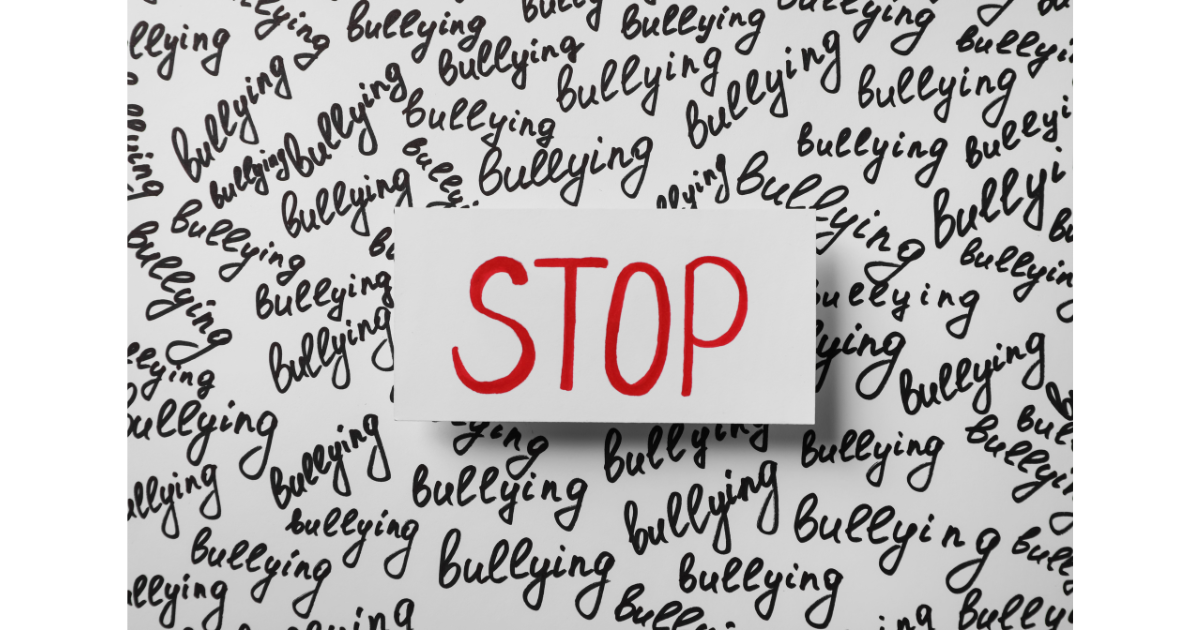
Bullying isn’t just a childhood problem — it’s a lifelong one. From the playground to retirement communities, its effects can quietly shape our confidence, relationships, and mental health. This piece explores how those patterns form, why the brain holds on, and what it takes to heal and reclaim your voice.

It Wasn’t That Bad
When you tell yourself “it wasn’t that bad,” you’re not downplaying the past—you’re protecting yourself from it. Until one day, you’re ready to stop.

On The Job Training
Your brain learns from every moment on the job — trust, tension, even fear. Leaving a toxic workplace isn’t the end of healing; it’s the start of retraining your brain. Discover how to unlearn survival wiring and rebuild confidence, clarity, and calm in your next chapter.
Between Holding On and Letting Go
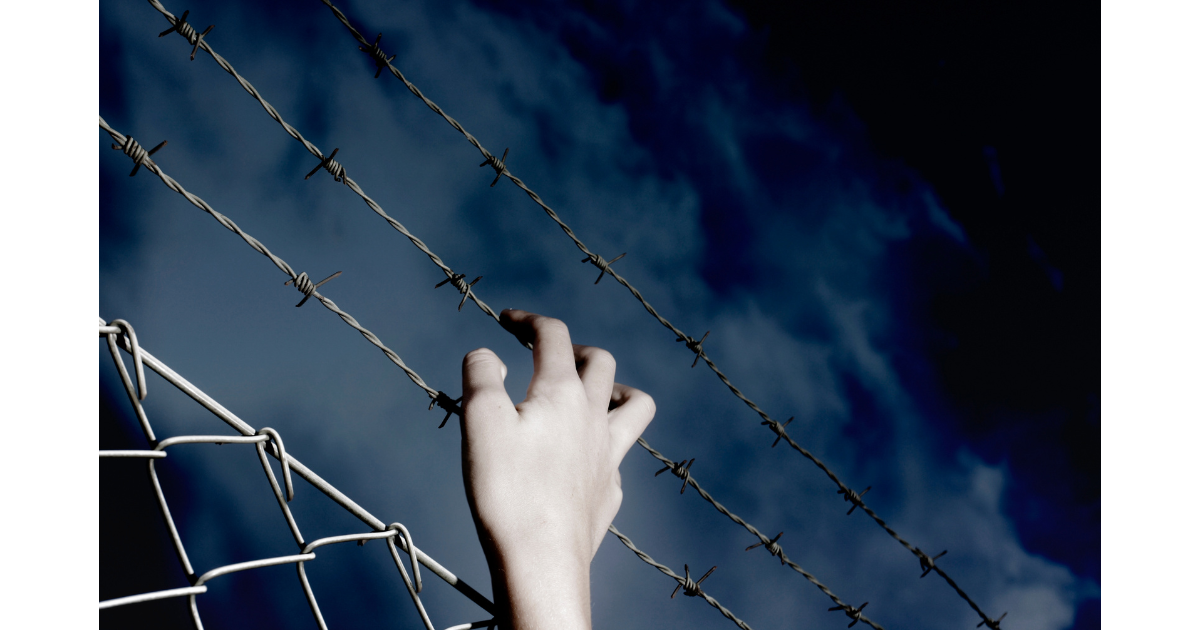
Healing can feel uncertain when your brain mistakes change for danger. In that quiet space between holding on and letting go, your senses reveal how your unconscious protects you—and how to gently teach it that freedom is safe.

How Survivors Are Still Being Silenced
Silence doesn’t protect survivors—it protects abusers and the systems that dismiss our pain. From families to social media, survivors are told to stay quiet. But every time one of us speaks, the shame cracks and the cycle weakens. Your story matters. Your voice is enough.

Your unconscious mind is driving more than you think
Your unconscious mind is working behind the scenes, making choices long before you notice. In those hidden seconds, it shapes your actions, reactions, and even emotions. The good news? You can reprogram these automatic patterns and harness your mind’s power to create the life you actually want.

The Silence Around Sibling Sexual Abuse
When people think of child sexual abuse, they often picture strangers or adults outside the family. What rarely gets talked about is the harm that happens at home — at the hands of siblings. This silence leaves many survivors confused, dismissed, or doubting their own experience. It’s time to change that.

How to Stop Expecting the Worst
Still on edge, even though nothing bad has happened in years? Your brain may be stuck in fear. Learn how to begin retraining unconscious patterns and finally feel safe—without forcing yourself to “just get over it.”

Are You Gaslighting Yourself?
Think gaslighting only comes from others? Learn how self-gaslighting shows up, why we do it, and what happens when we finally stop minimizing our truth. The most convincing lies are the ones we tell ourselves.

Change Can Be Easy
Change doesn’t have to be a battle.
If your brain feels stuck, it’s not broken—it’s just following old instructions. Real change starts when you stop pushing and start listening.

You’re Not Broken
You’re not broken.
Even after healing, something can still feel off. There’s a reason—and a way through it.

The Day I Didn’t Stay Silent
He counted on me staying quiet. But something in me had changed. Years ago, I might’ve frozen. This time, I found my voice—right there in the middle of the holiday crowd.

Are You Reacting to Life or Proactively Shaping It?
Do you feel like life is happening to you, leaving you scrambling to catch up? Living in reaction mode can be exhausting, driven by fear and the need to survive the moment. But what if you could step out of the cycle? What if you could purposefully create your life starting now?

The Weight We Carry Isn’t Always Measured in Pounds
Our relationship with food runs deeper than we realize, often tied to emotions we haven’t faced. It’s not about willpower—it’s about understanding what’s really driving the choices we make.

Love Starts with Self-Trust
Discover how true love starts with self-trust. Explore the role of trust and attachment in building relationships that last—beginning with trusting yourself first.
Healing from the Inside Out
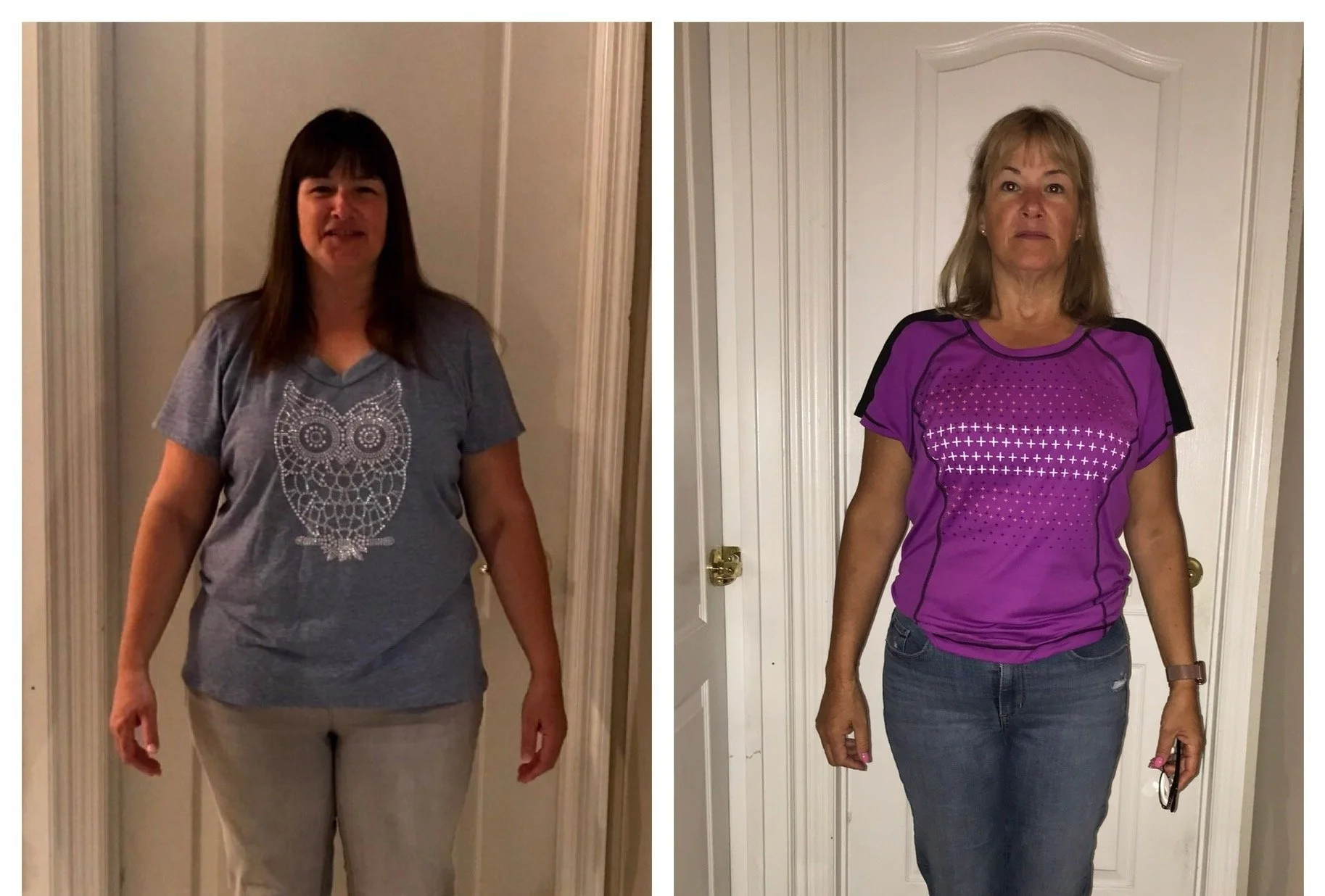
For most of my life, food was my comfort, and weight was my shield. Losing 50 pounds felt like a victory, but as the pounds dropped, so did my sense of security. Looking good on the outside doesn’t heal the wounds you carry inside. Real change happens when you heal from within and learn to love yourself at every size. It’s not about the number on the scale—it’s about shedding the emotional weight that’s been holding you back.

Detaching from Attachment
Explore how attachment, as vital as food and oxygen, shapes our lives and emotions. From early unhealthy connections to the deep, mutual bond of true love, the journey of detaching from attachment can lead to profound healing and self-discovery. This reflection delves into the balance between honoring meaningful relationships and maintaining one's sense of self after loss.
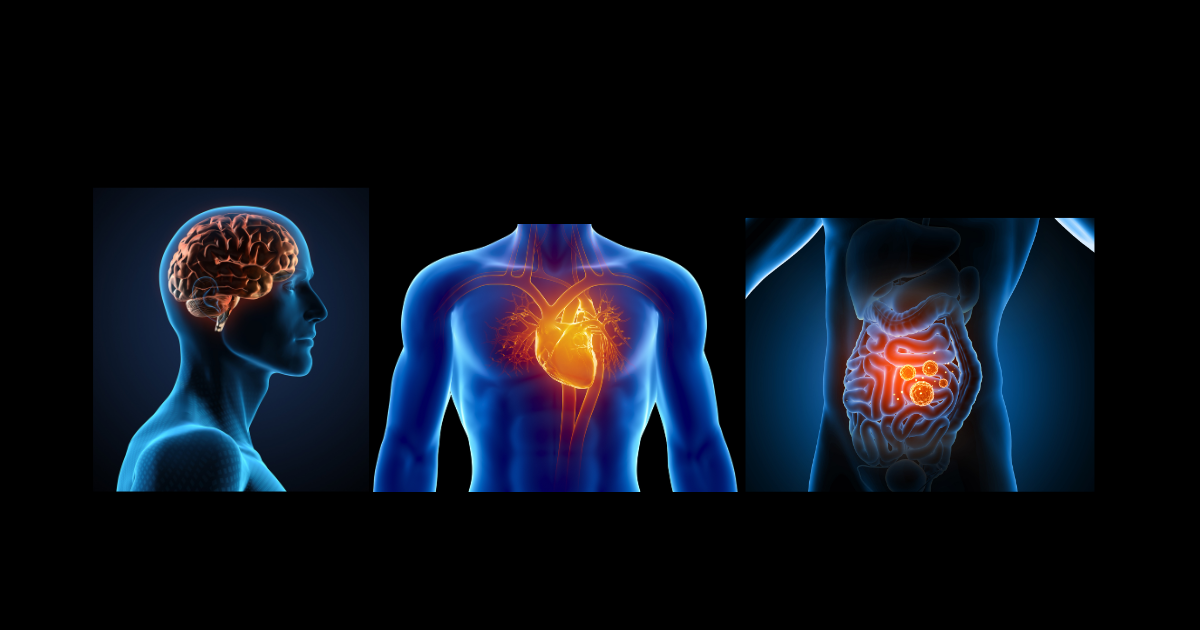
The One True Brain (and the Other Two "Brains" People Like to Talk About)
Explore the fascinating connection between the brain, heart, and gut—the three "brains" that influence your emotions, physical health, and overall well-being. Learn how these systems communicate with each other and how understanding this connection can help you improve mental clarity, emotional resilience, and even physical health.

Neuroplasticity: How to Rewire Your Brain for Growth
Neuroplasticity is the brain's ability to adapt and change, helping you build new neural pathways and strengthen cognitive flexibility. By engaging in activities like learning, physical exercise, mindfulness, and proper nutrition, you can enhance brain function, recover from emotional and physical injuries, and improve overall well-being. Discover how neuroplasticity supports growth, creativity, and emotional resilience, empowering you to thrive in all areas of life.

The Brain-Body Connection
Our bodies respond to stress, pain, and emotions in ways that might seem mysterious, but it all comes down to the brain. Let's talk about the science behind how your brain controls every sensation through a complex network of communication pathways. Learn how to tap into this connection using visual, auditory, and sensory techniques to manage stress, reduce tension, and create lasting calm.